AERO AI was named a 2025 Black Ambition semifinalist, appearing in the Artificial Intelligence category of the organizer’s announcement.
It is a milestone worth recognizing as we continue building tools that help people work with the physical world through spatial data. Our focus is on the connection between creating useful deliverables and putting them into a setting where teams can understand and discuss them.

A mission grounded in real projects
Aerial imagery, scans, design models and geospatial layers often begin in separate workflows. The challenge is not simply collecting more data; it is making that information useful to the people working on a site, structure or environment.
AERO AI approaches that challenge through reconstruction, visualization, simulation and collaboration. We want people to understand what exists and explore what is possible, while keeping the source and purpose of the information clear.
A longer story behind the milestone
The archival image above comes from an earlier chapter: AERO AI’s participation in the UNLV President’s Innovation Challenge. Our account of that experience describes the company’s beginnings around aerial data and a more accessible way to work with 3D information.
The products have developed since then, but that underlying question remains recognizable. How can a team move from separate captures, drawings and models to an environment in which the information becomes easier to use?
The challenge appears at several points in a project. A specialist needs to create and check a deliverable. Another person needs to understand its relationship to the site. A wider team may need a shared place to review it. Making any one of those steps better is useful; connecting them is the broader ambition.
Keep the mission concrete
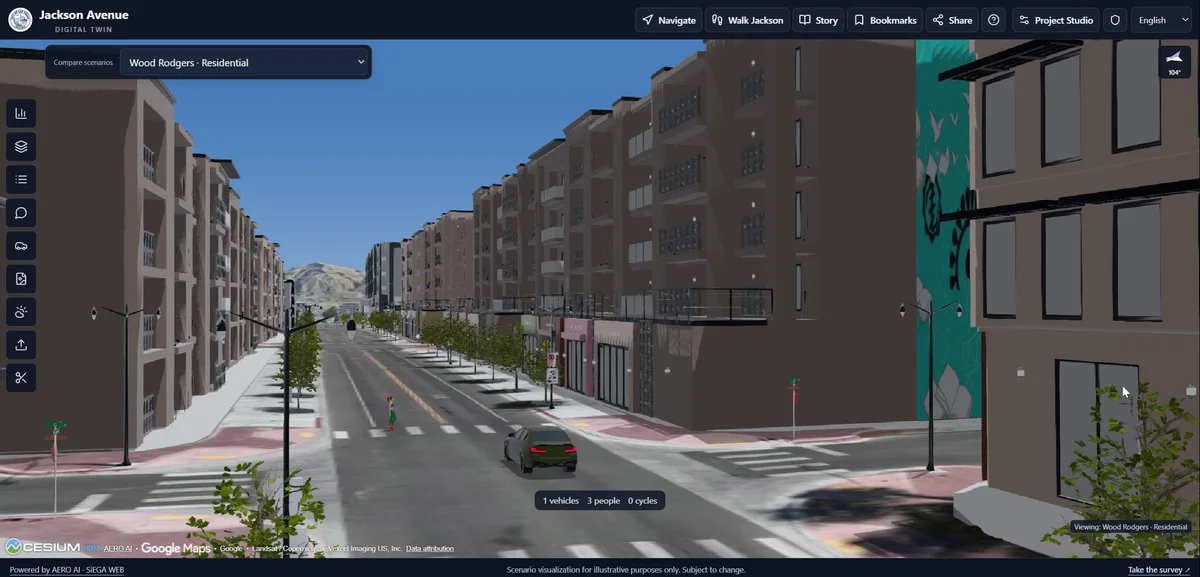
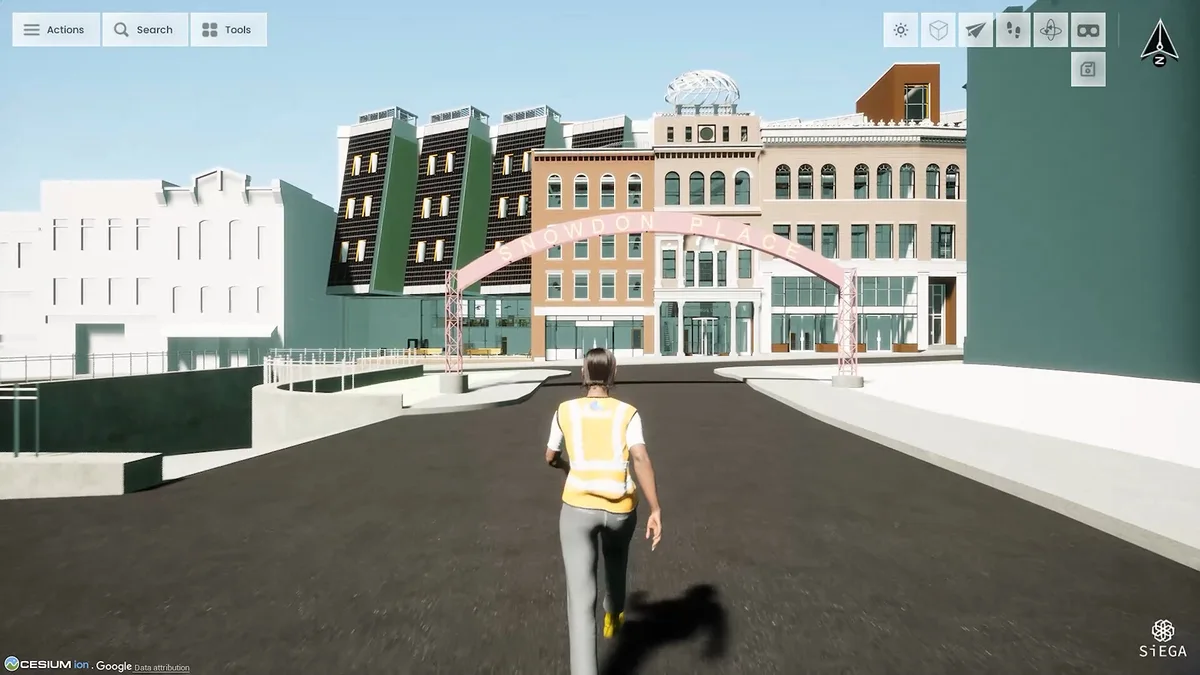
Today, that mission is expressed through different parts of AERO AI’s work. 3DINT Engine focuses on reconstruction and preparation in an early-access desktop workflow. SiEGA Web and Desktop provide ways to bring spatial information together for exploration, simulation and collaboration. Project services help teams address capture and delivery needs around their own environments.
These offerings serve different starting points. Some teams are creating new data. Others already have imagery, scans or CAD/BIM and need a more useful way to work with them. The important question is which next step makes the information more valuable to the people responsible for the project.
Recognition provides a reason to introduce that work to a wider audience. It should also lead somewhere concrete: a product someone can explore, a workflow they can understand or an example that relates to their own challenge. That is how we want this milestone to connect to the company’s continuing development.
Recognition and the work ahead
Semifinalist recognition is a milestone in that effort. Our next focus is useful software, clear workflows and examples that teams can explore on their own projects.
We appreciate being included in the 2025 group of semifinalists and look forward to sharing more of the work as it develops.