How can an infrastructure digital twin contribute to the datasets used to develop inspection AI?
That question was the focus of AERO AI’s session at Cesium Developer Conference 2026. The official program lists Osarodion Victory Igbinobaro and Tyler Wescott presenting a work-in-progress pipeline for synthetic infrastructure-inspection data using Cesium and Unreal.
A digital environment as a research setting
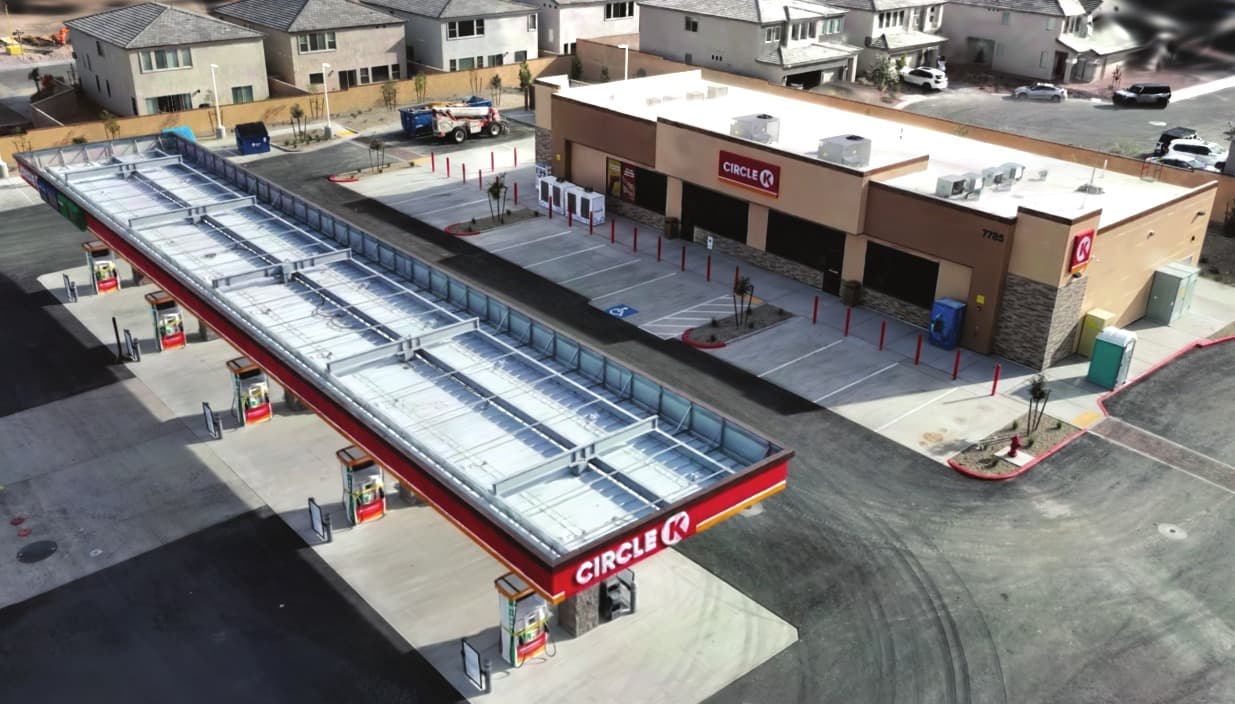
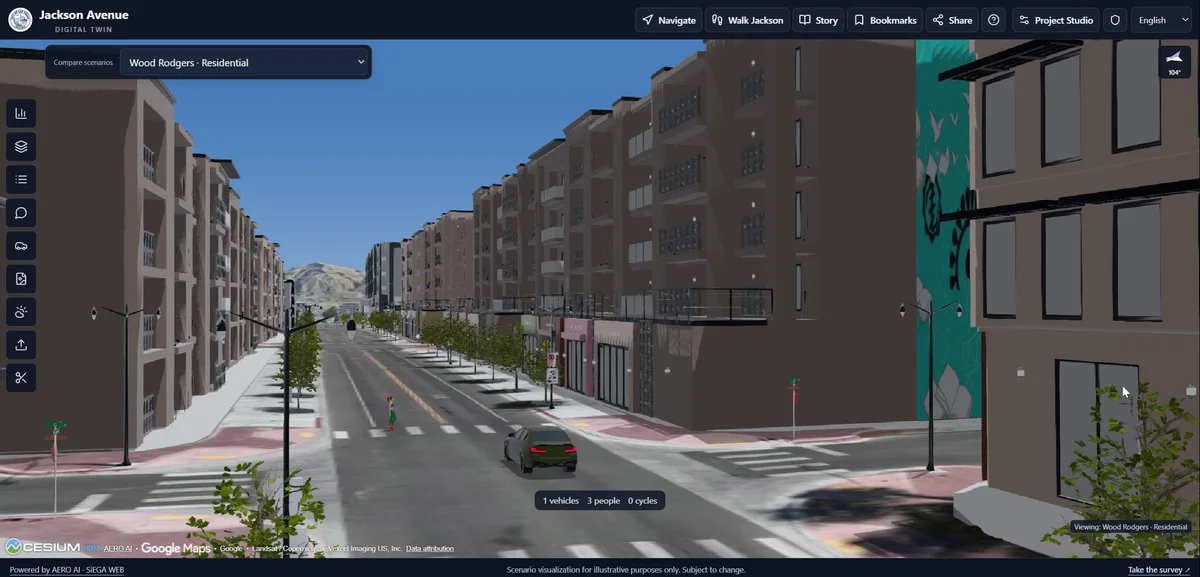
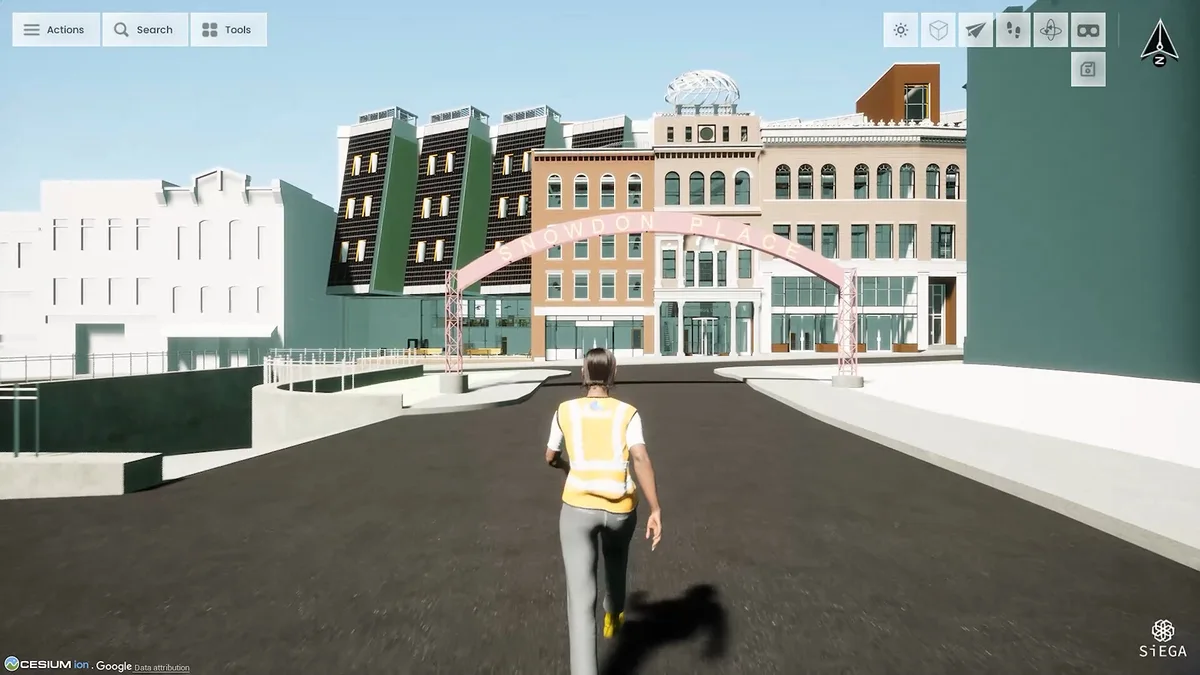
Synthetic data offers a way to construct examples under controlled conditions. A geographically grounded scene can provide context for those examples: the structure, its surroundings and the perspective from which it is observed.
This is an interesting direction because it connects visualization with a different task. Instead of producing only a scene for people to explore, the research asks how that environment can support dataset creation.
Generation and validation are different tasks
Generating an example does not establish that a model trained on it will perform reliably on real inspections. The usefulness of a synthetic dataset has to be tested against the task it is intended to support.
The questions for a follow-up are concrete: what variation does the dataset represent, what does it omit, and how is evaluation kept separate from training? Those questions belong beside visual demonstrations, particularly when the output looks realistic.
Why context matters to inspection research
An inspection image contains more than the object a model is expected to recognize. It also contains a viewpoint, a background, illumination and surrounding structures. Those conditions can affect what is visible and how an example is interpreted.
A digital environment offers a way to think systematically about those conditions. Instead of treating every image as an isolated sample, a researcher can ask which parts of the scene are being varied and which remain fixed. That is a useful research framing even before any performance claim is made.
The opportunity is not simply to generate many pictures. It is to generate examples with a clear purpose, record their assumptions and evaluate whether they improve the intended task. Quantity without an evaluation plan can make a dataset larger without making the resulting model more useful.
Questions to bring to the recording
As you watch the session, separate the environment, the generated examples and the evaluation task. What does the scene represent? Which properties are under the researcher’s control? What information would a model receive during training, and what would it encounter in the real world?
Also ask how a proposed method would handle conditions that are absent from its synthetic environment. A visually convincing scene can still omit important variation. Real inspection data is therefore an essential reference when assessing whether the research transfers beyond the demonstration.
Connect the research to a practical need
For infrastructure teams, the eventual value of an AI workflow depends on whether it helps with a defined inspection task under known conditions. A useful follow-up would describe that task, the data used to evaluate it and the cases where the approach does not work well.
Research in progress
The pipeline remains a research project, with evaluation and field validation guiding the next stage of development.
Watch the conference recording for the presentation. A future technical follow-up can document the methodology and validated findings when they are ready to share.